Context
This case study is a real-world strategic design recovery system developed for a leading international headless CMS platform (anonymized as CoreCMS due to legal constraints).
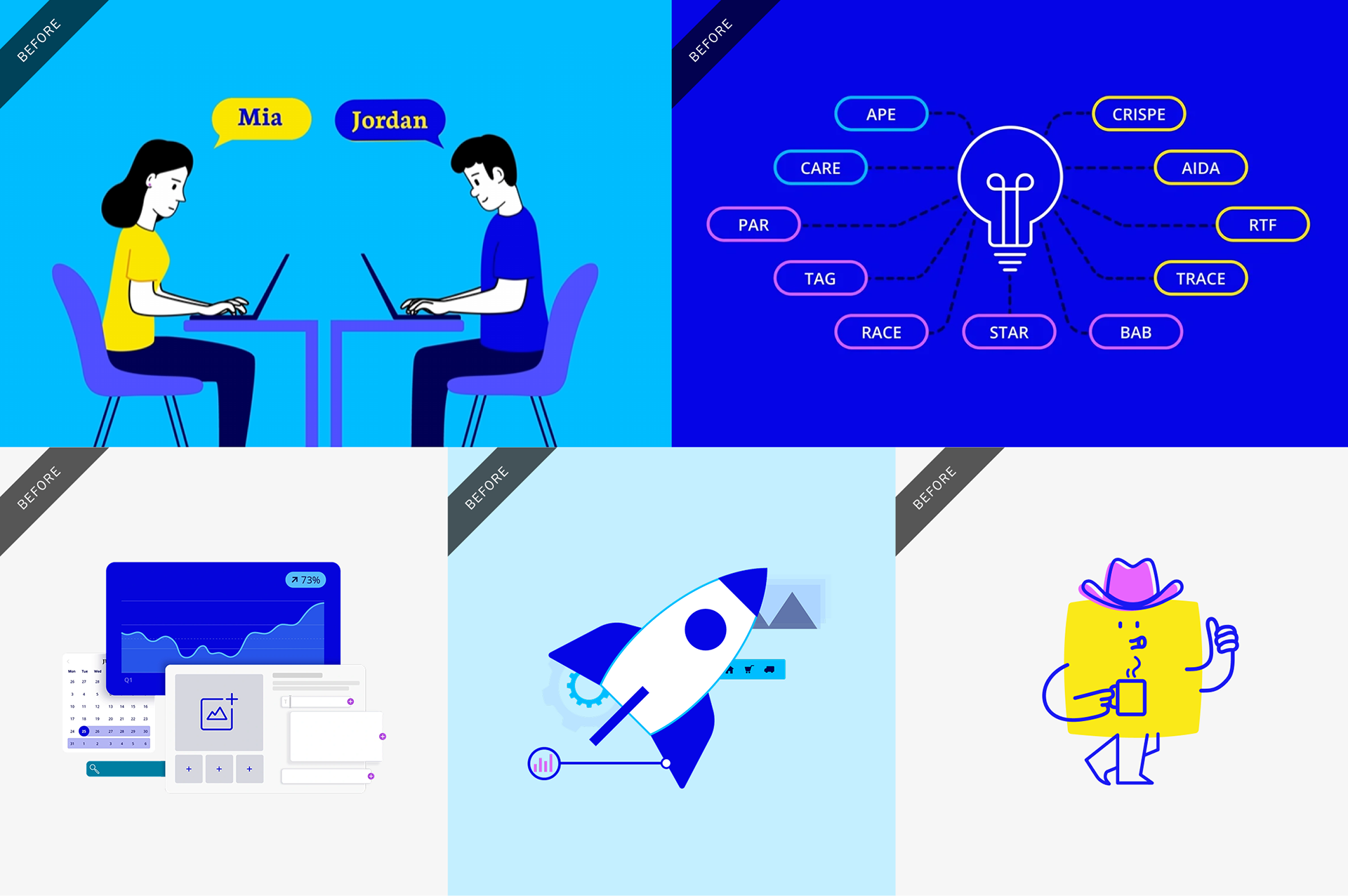
Before
Following a massive, disjointed corporate rebranding implemented by the client, the platform suffered from severe visual fragmentation across typography, color weights, spacing grids and visual styles of key visuals. My objective was to step in, audit the identity chaos, and deliver a rigorous framework that repairs and stabilizes the digital brand experience.

Goals
- Build on existing brand equity through minimal, high-impact changes
- Establish a consistent and controlled visual language
- Improve visual clarity and hierarchy across interfaces
- Build a scalable and modular visual system
- Enable faster and more reliable web design decisions
- Establish a consistent and controlled visual language
- Improve visual clarity and hierarchy across interfaces
- Build a scalable and modular visual system
- Enable faster and more reliable web design decisions
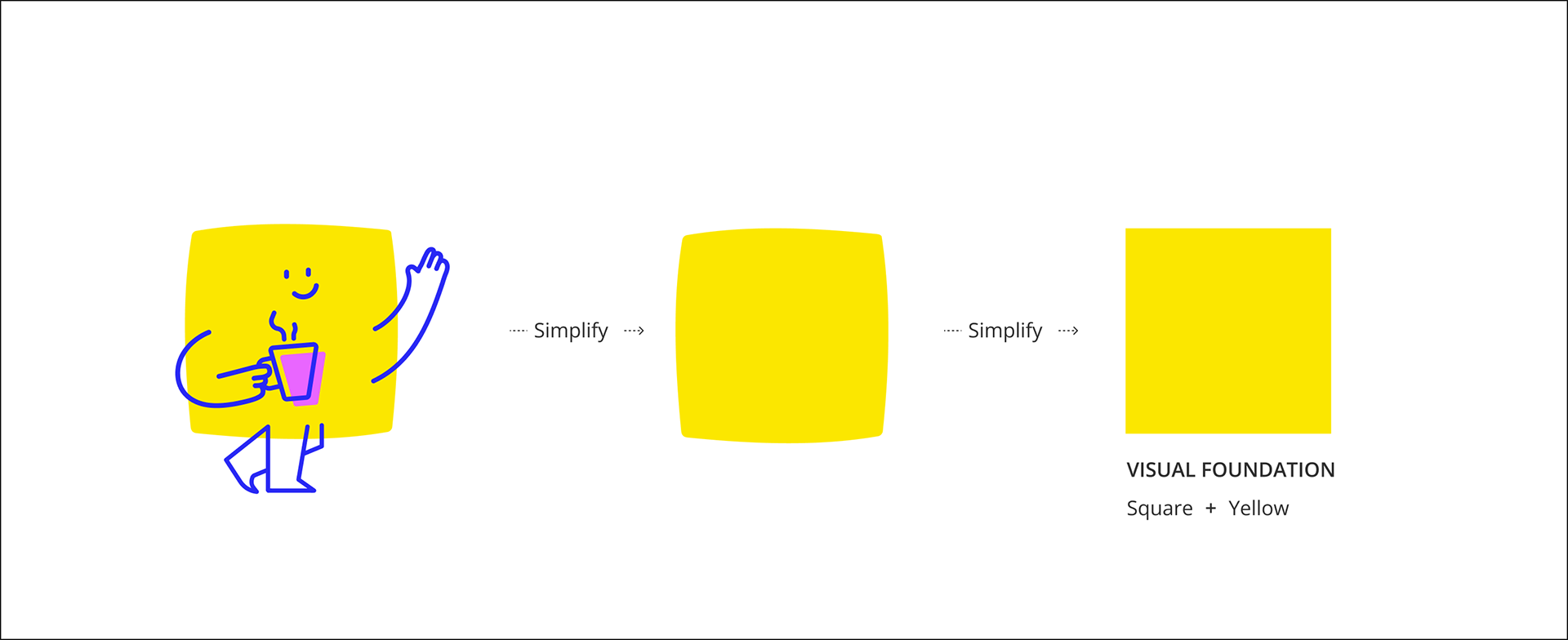
Step 1 / Visual Audit: Deconstructing identity chaos into geometric rules
The existing brand relied on illustrative elements, including a mascot-like character primarily used in event contexts. The concept evolves the existing mascot into a more structured and abstract visual language, improving clarity and enabling scalability.
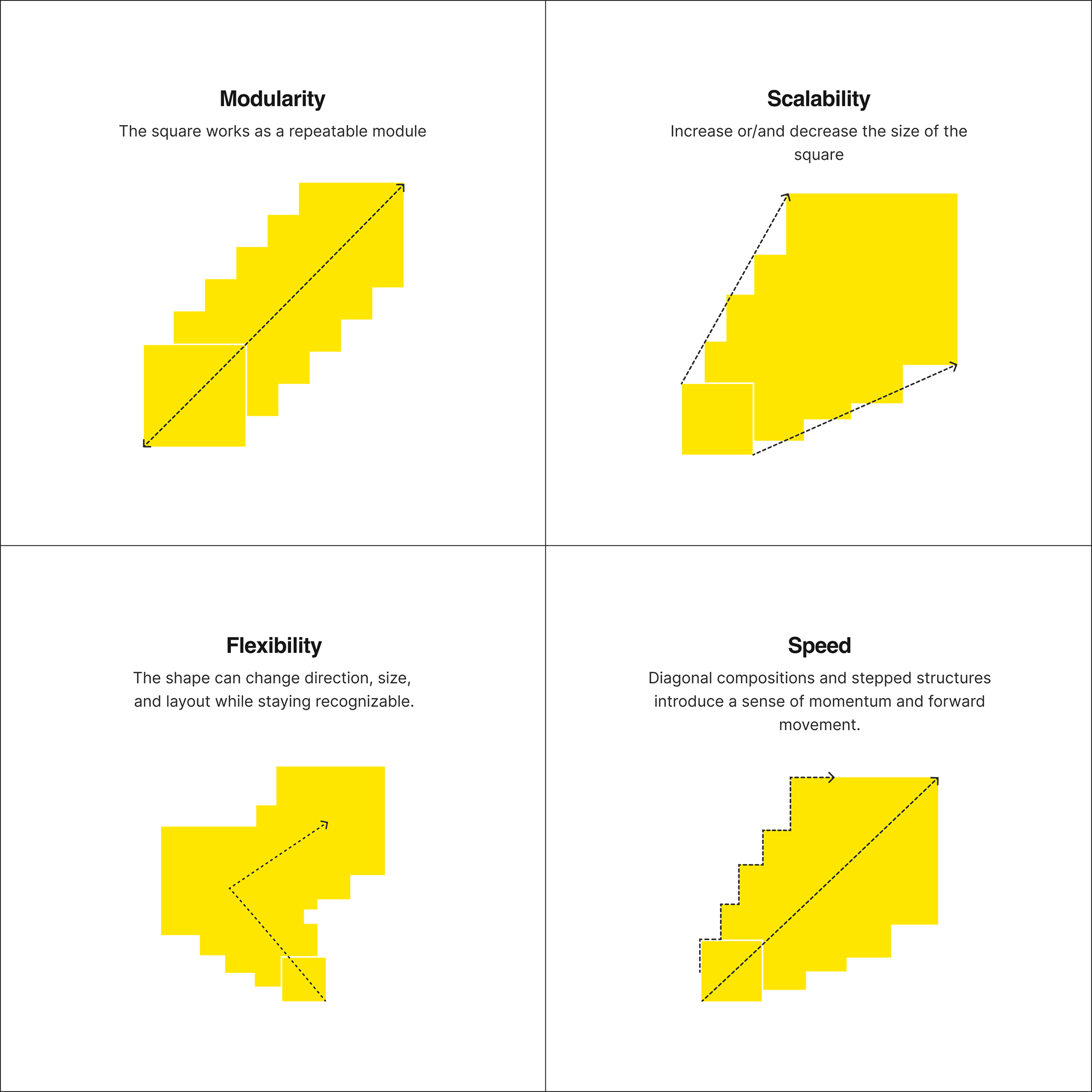
Step 2 / Turn foundation into a system based on brand principles
The visual language was designed around four key principles reflecting the brand.
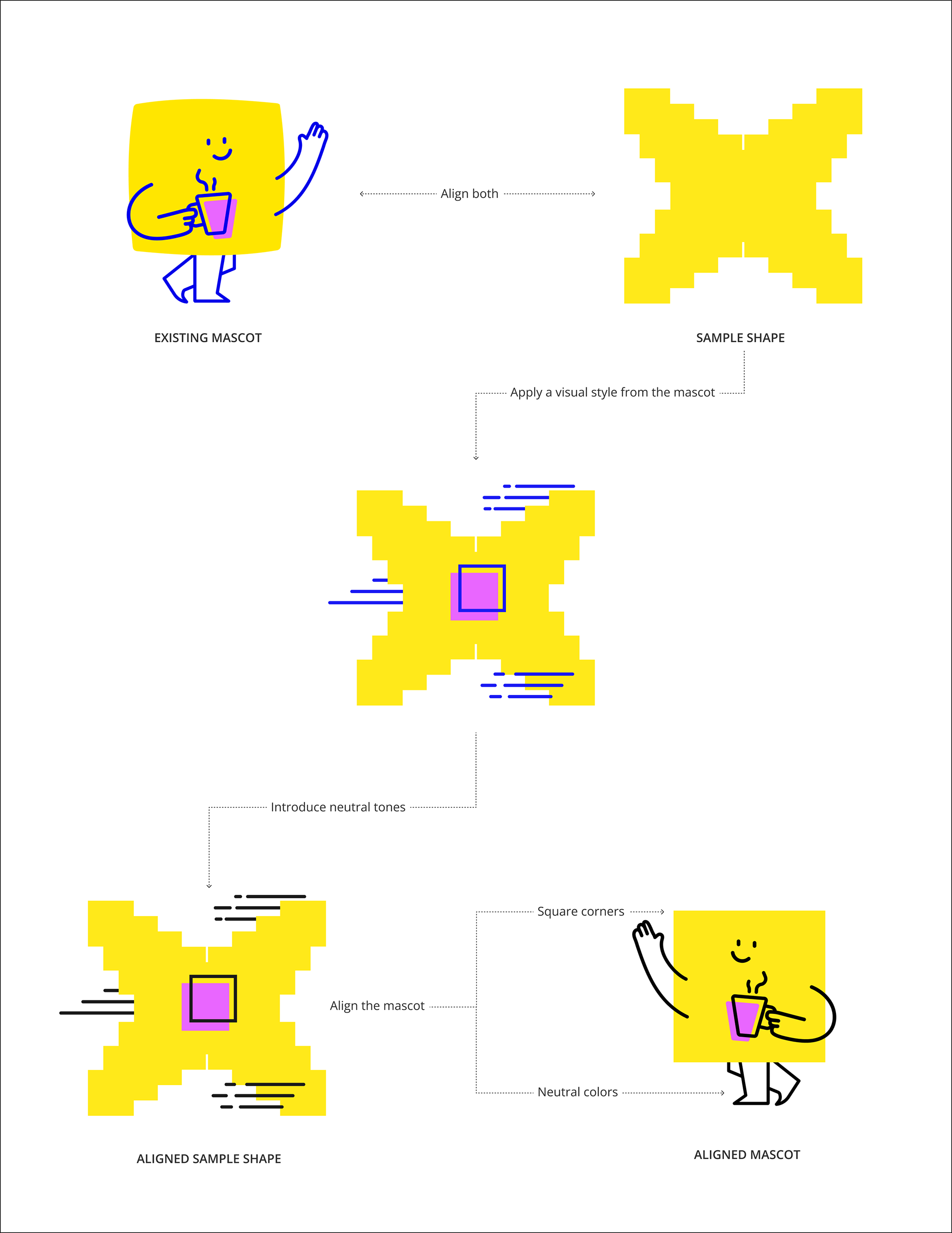
Step 3 / Brand alignment: Integrating heritage assets with the new visual language
To bridge the gap between past branding and the new creative direction, I aligned the brand's legacy mascot with the newly established visual rules. By utilizing neutral tones and geometric restraint, I balanced raw brand expression with consistent, functional asset application across corporate communication channels.
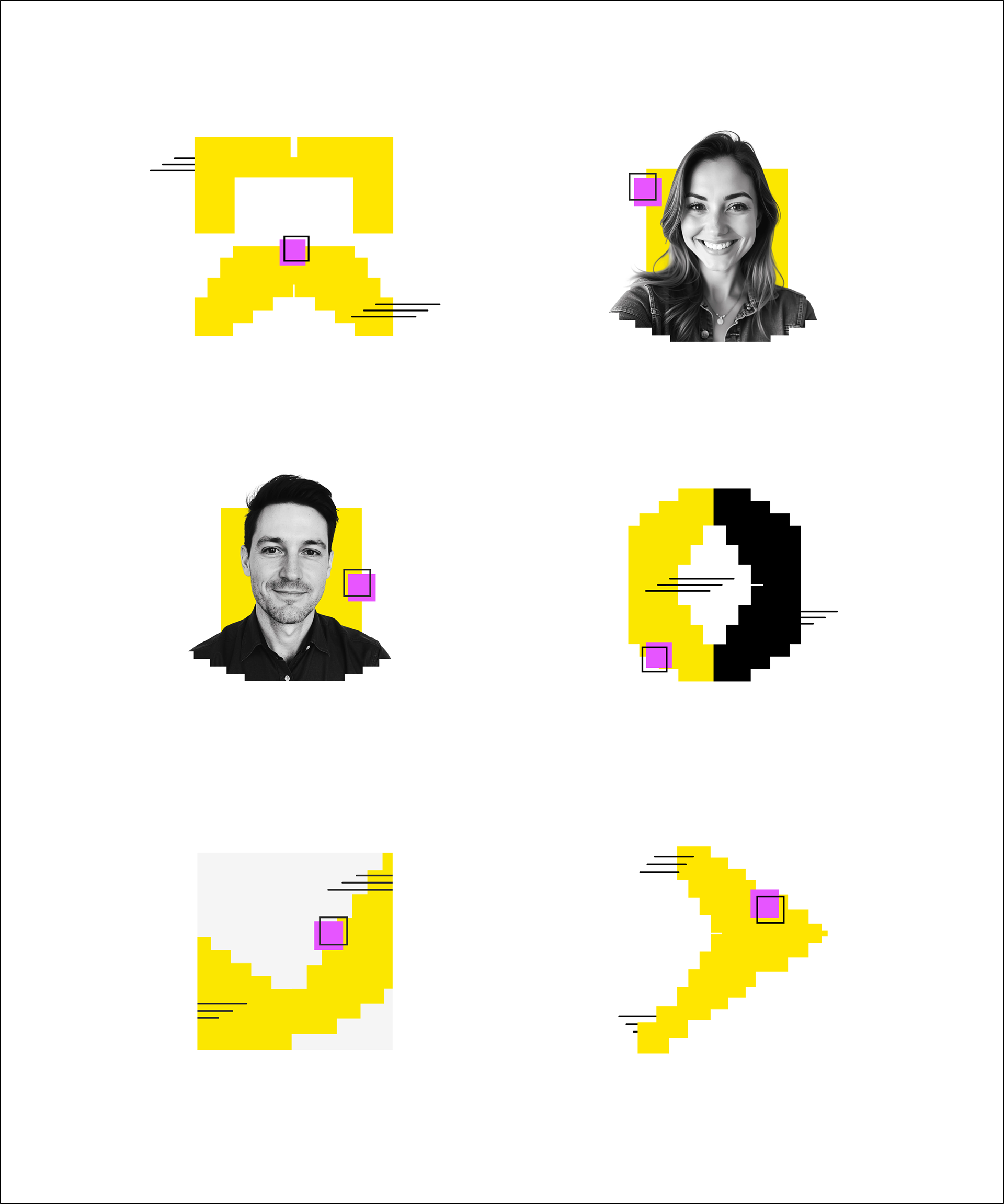
Step 4 / Expand across use cases
The system expands from simple shapes into flexible compositions, combining modular elements, motion, and real imagery to adapt across different contexts while staying visually consistent.
Step 5 - Bringing the system to life
The system scales across digital, print, and environmental touchpoints, maintaining consistency while adapting to different formats and contexts.
Step 5.1 - Web design
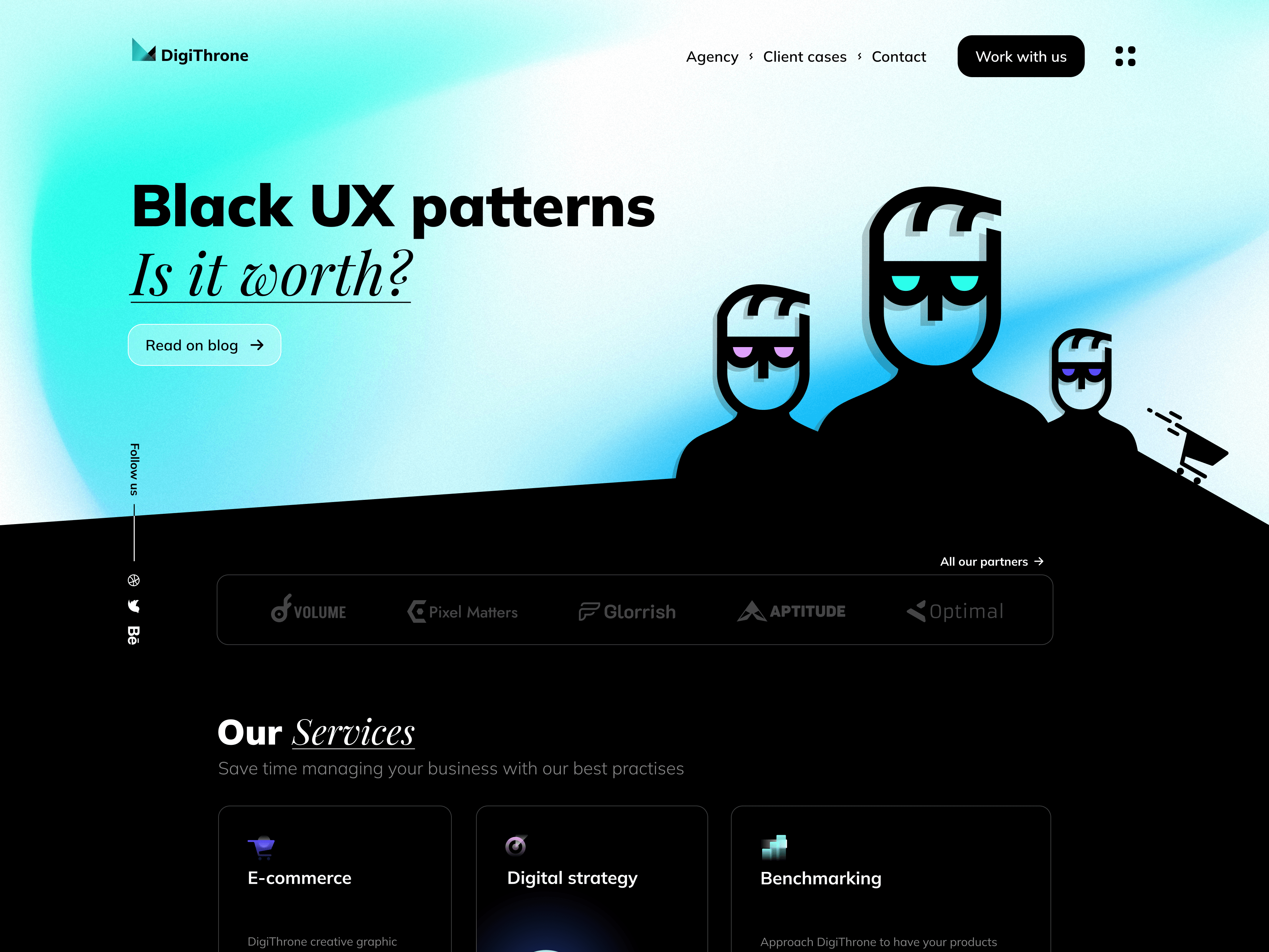
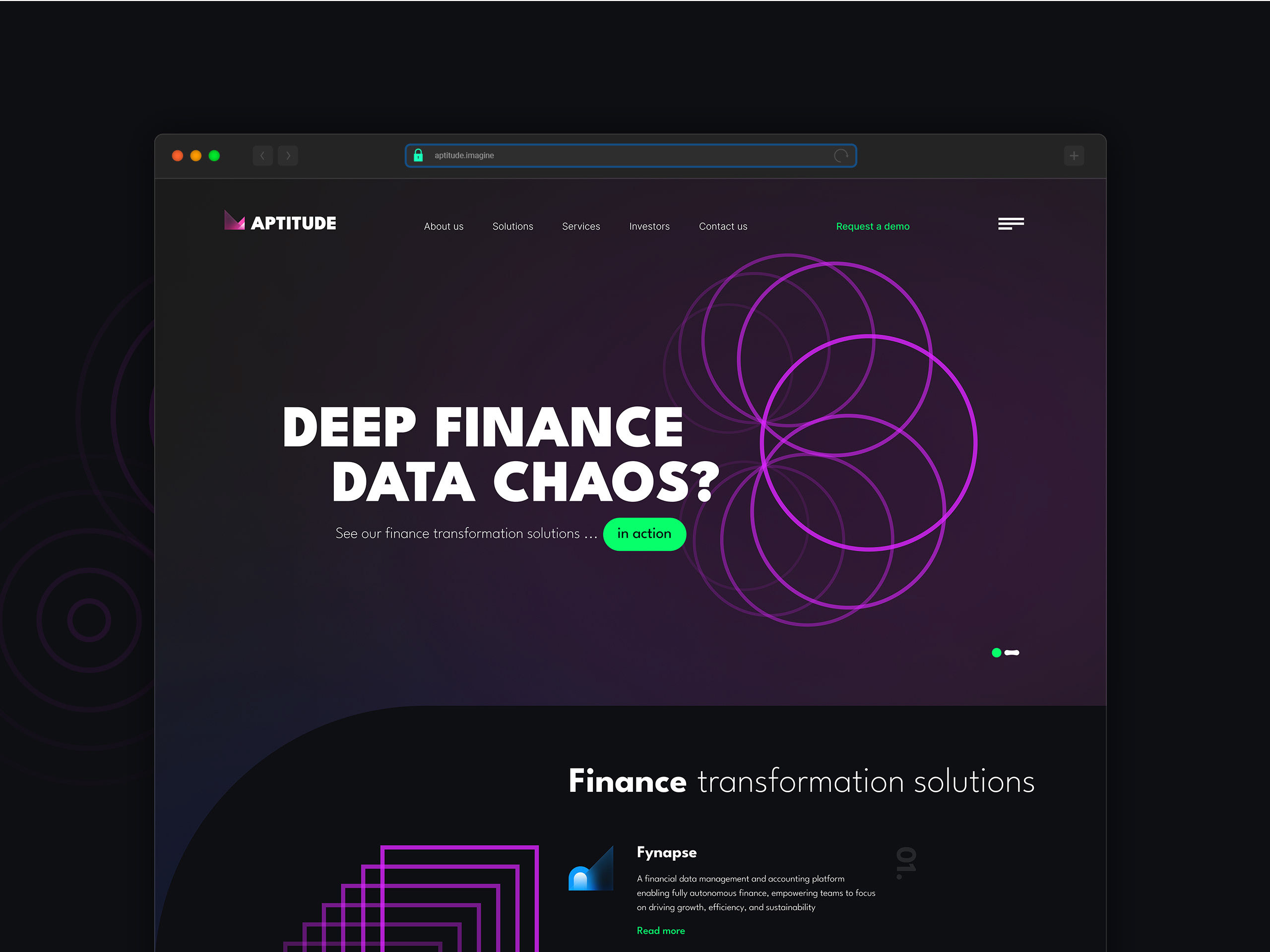
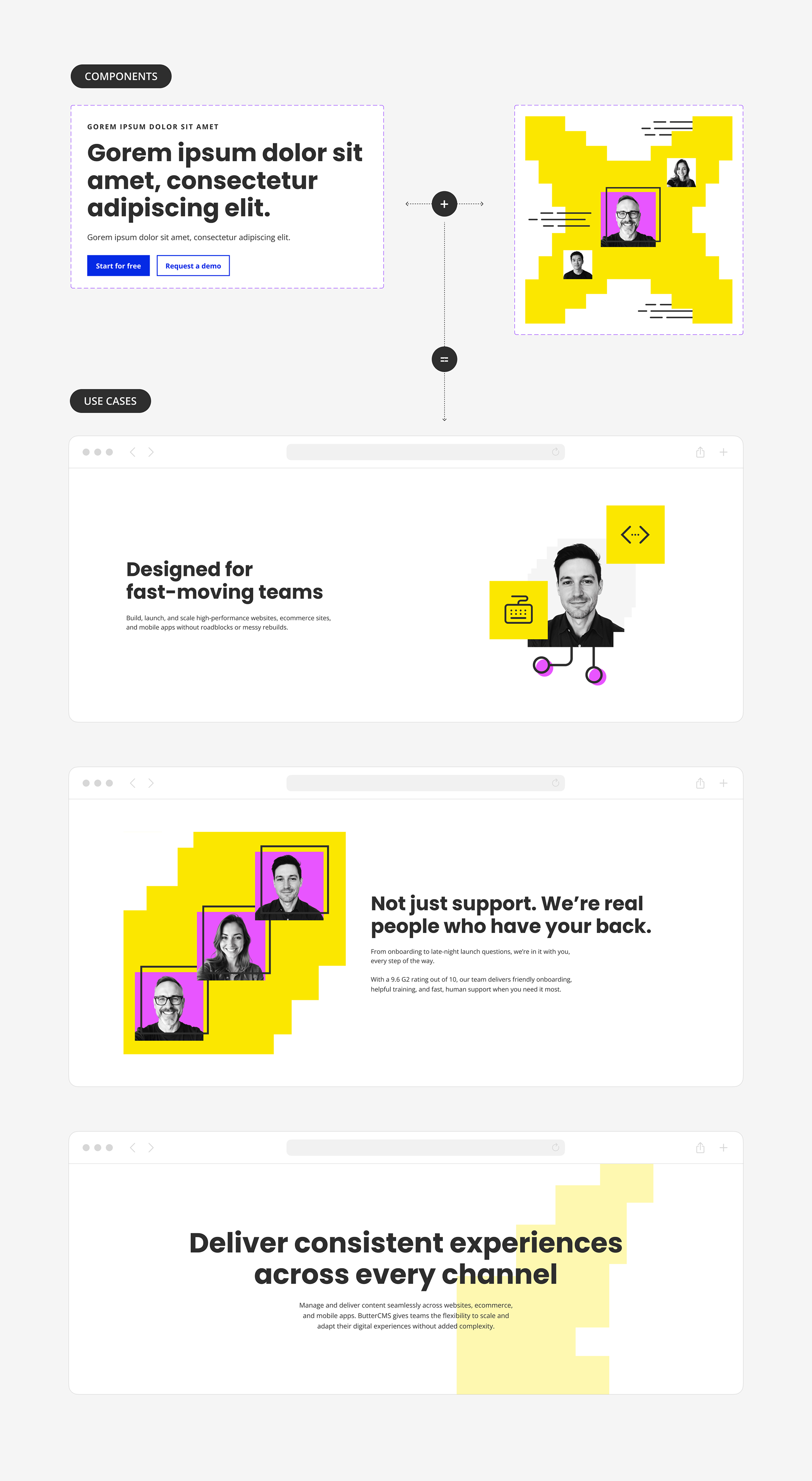
The website was designed to deliver a modern, flexible, and visually consistent experience across key marketing touchpoints.

Modular design system
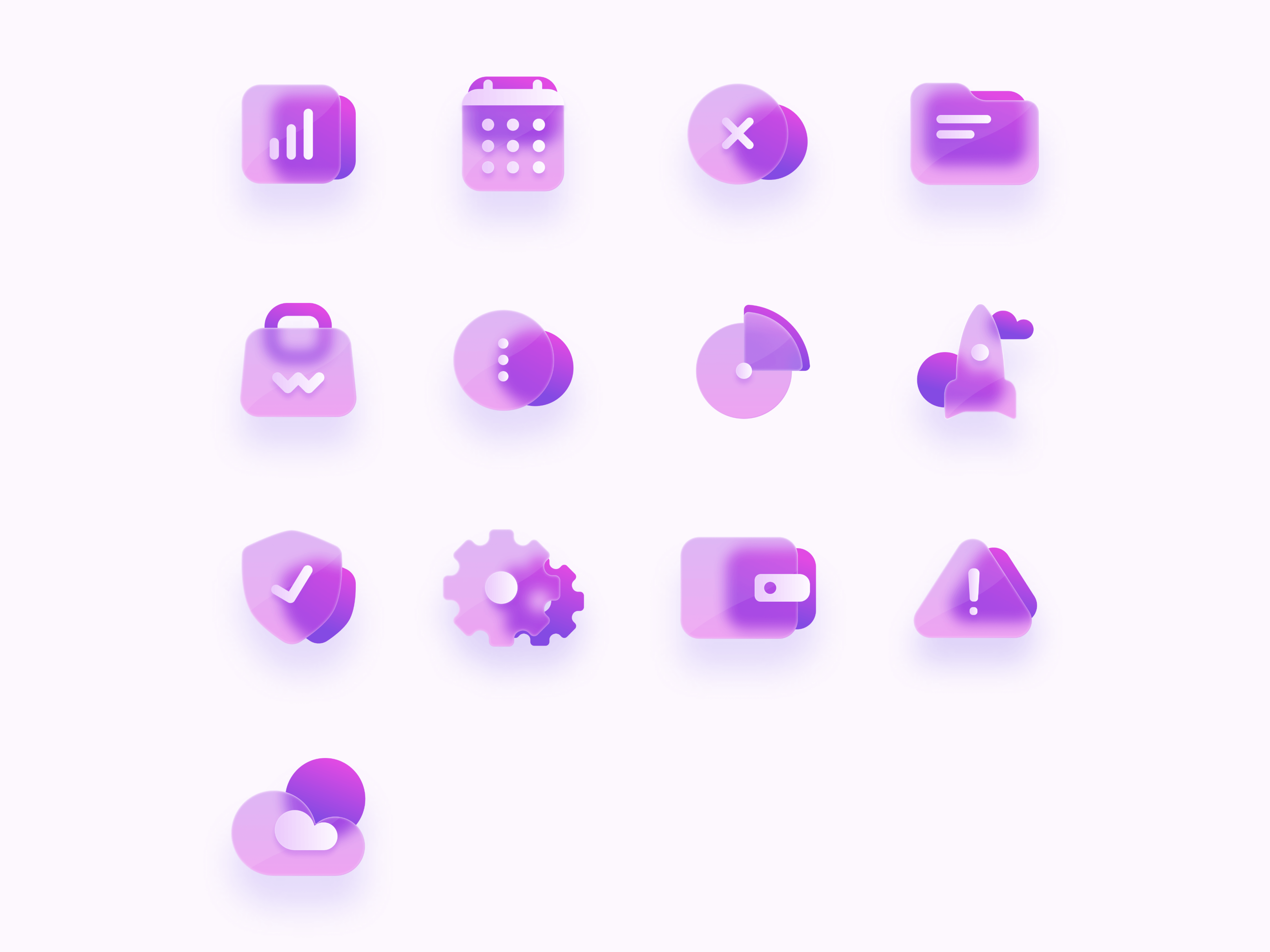
The interface was built using reusable components, variables, and scalable design patterns to ensure consistency across marketing pages and digital assets.
Step 5.2 - Social media
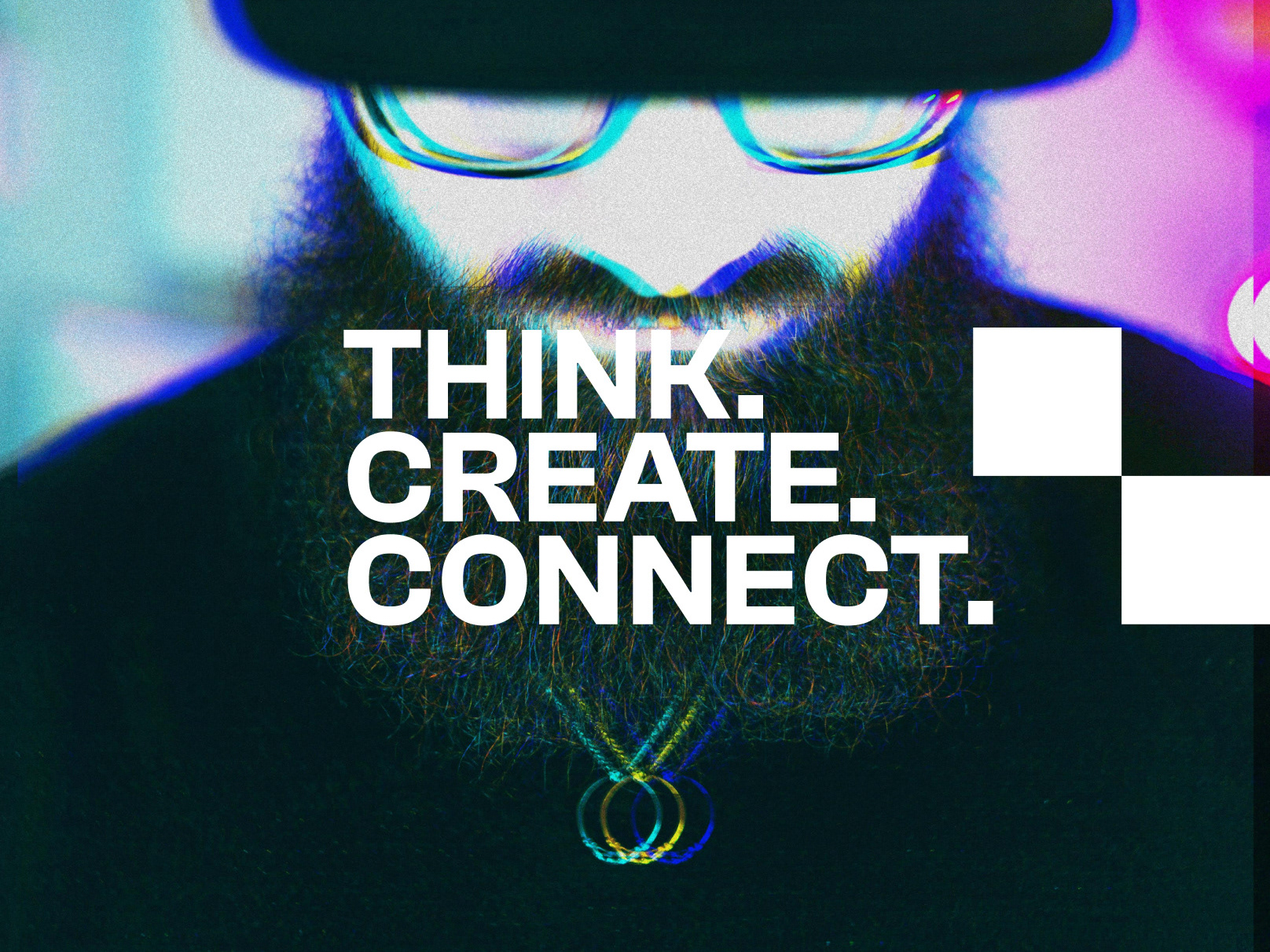
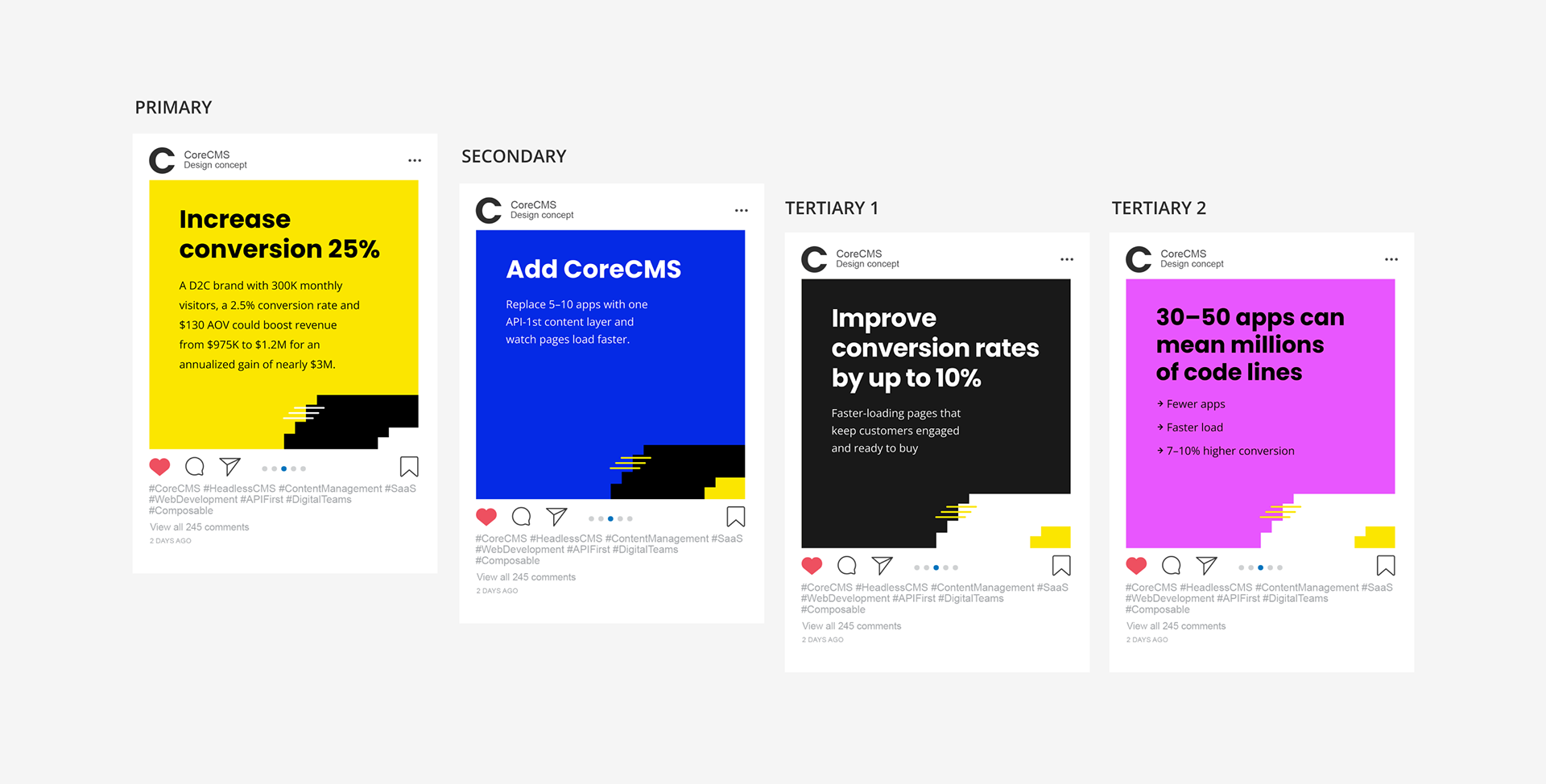
Social media assets were adapted to compete in high-attention digital environments using stronger colors, bold typography, and more dynamic compositions while staying aligned with the CoreCMS brand system.
Step 5.3 - Print
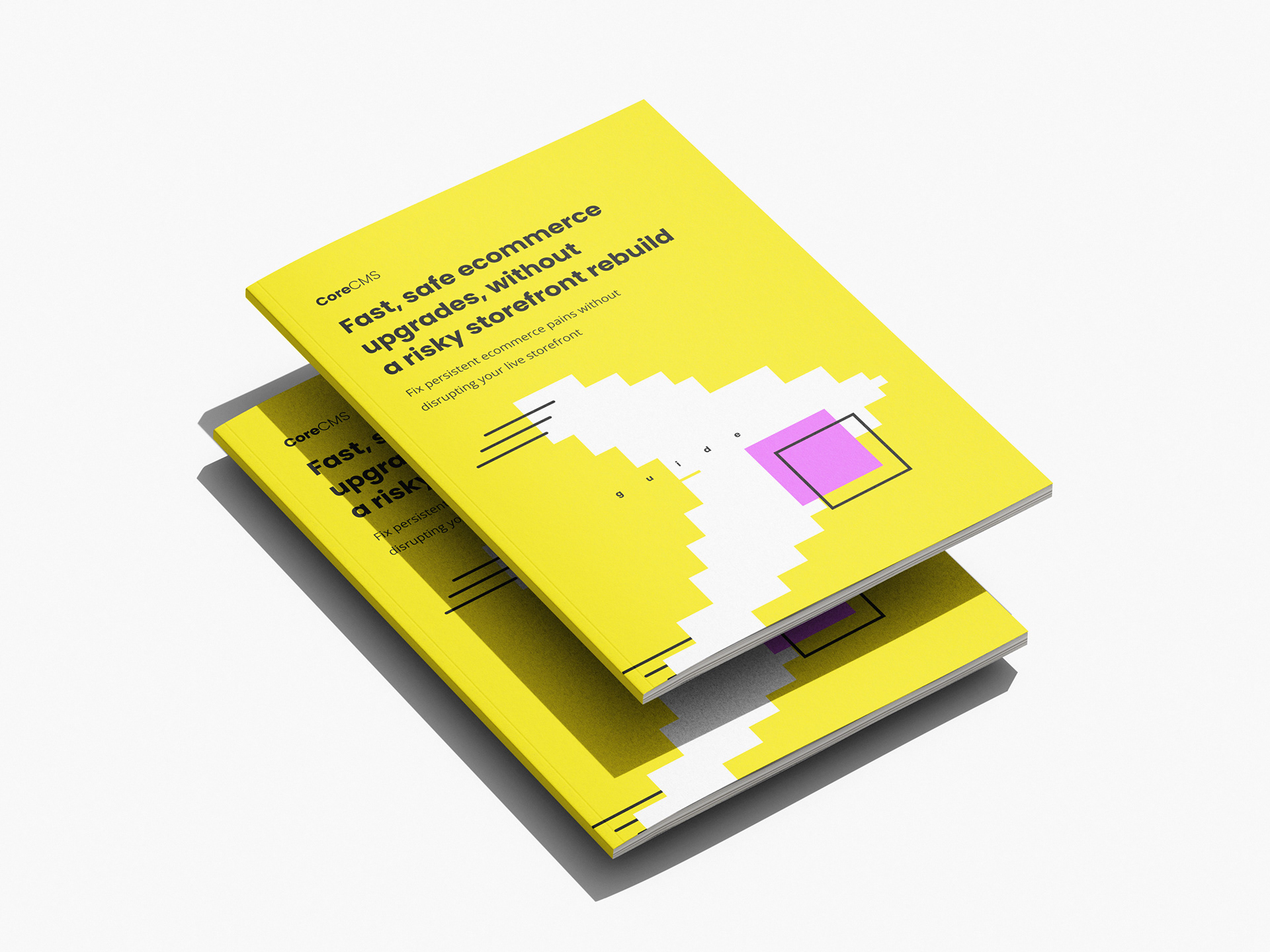
The visual system was extended into print materials while maintaining consistency across typography, composition, and brand elements.
Step 5.4 - Brand Applications
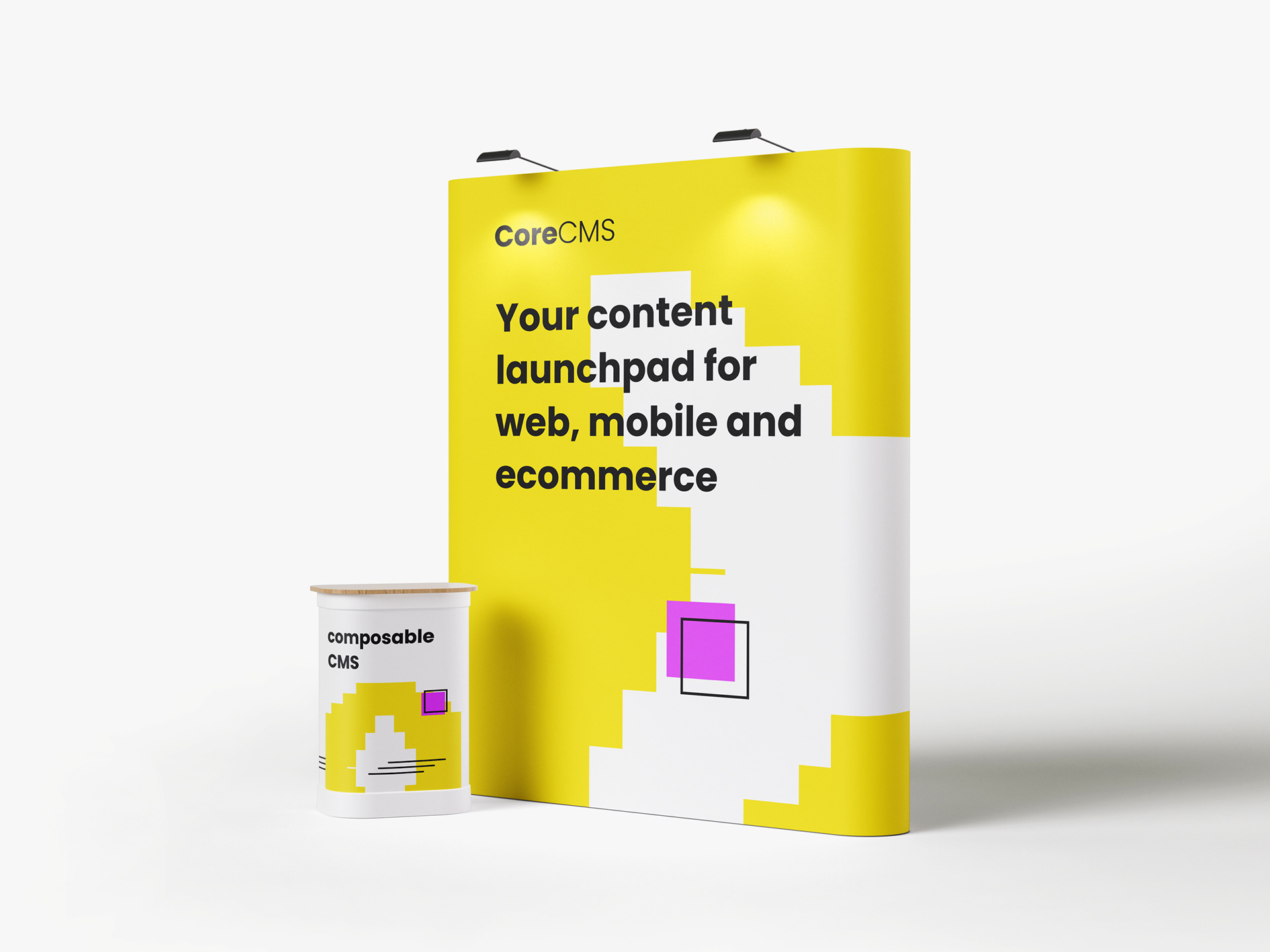
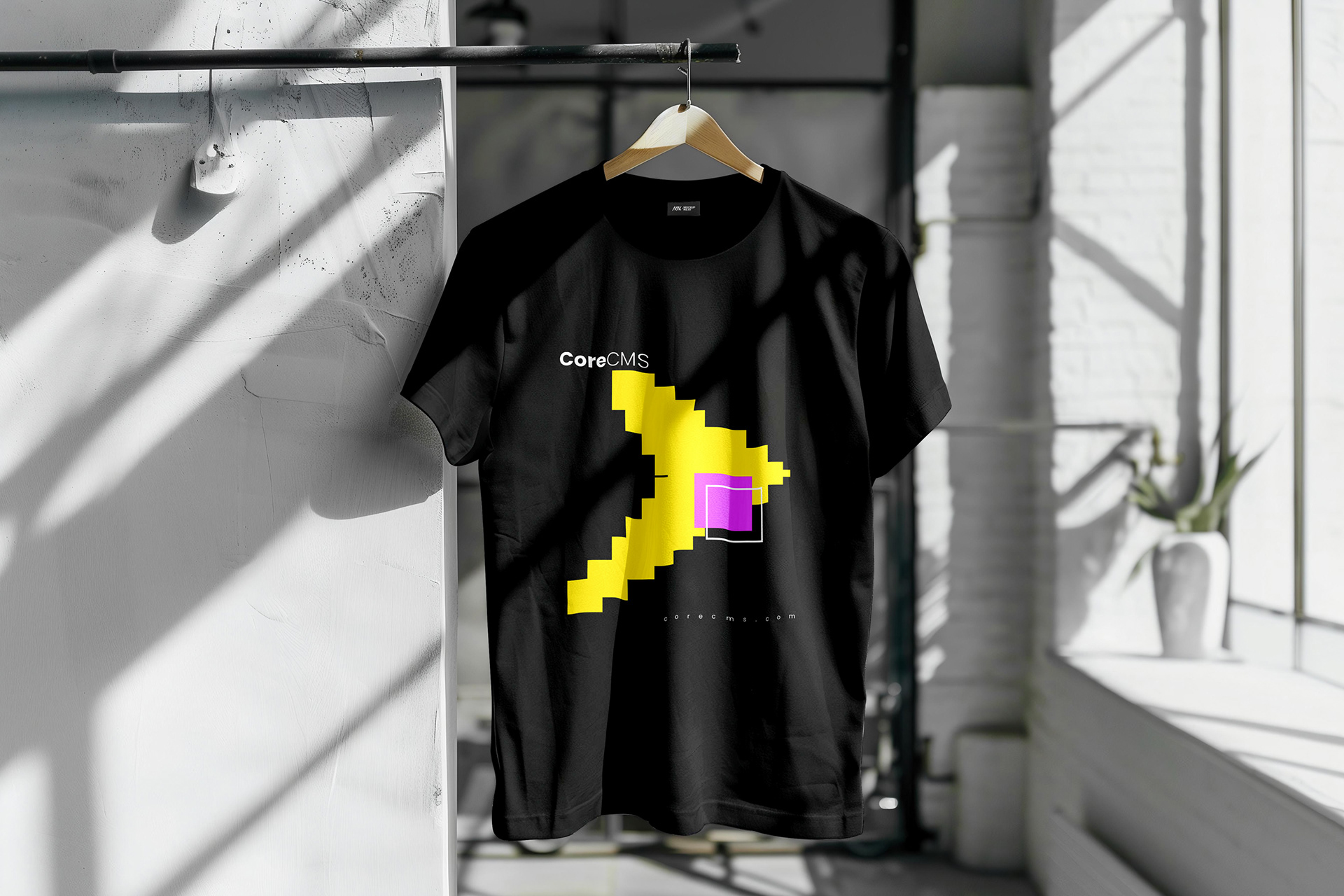
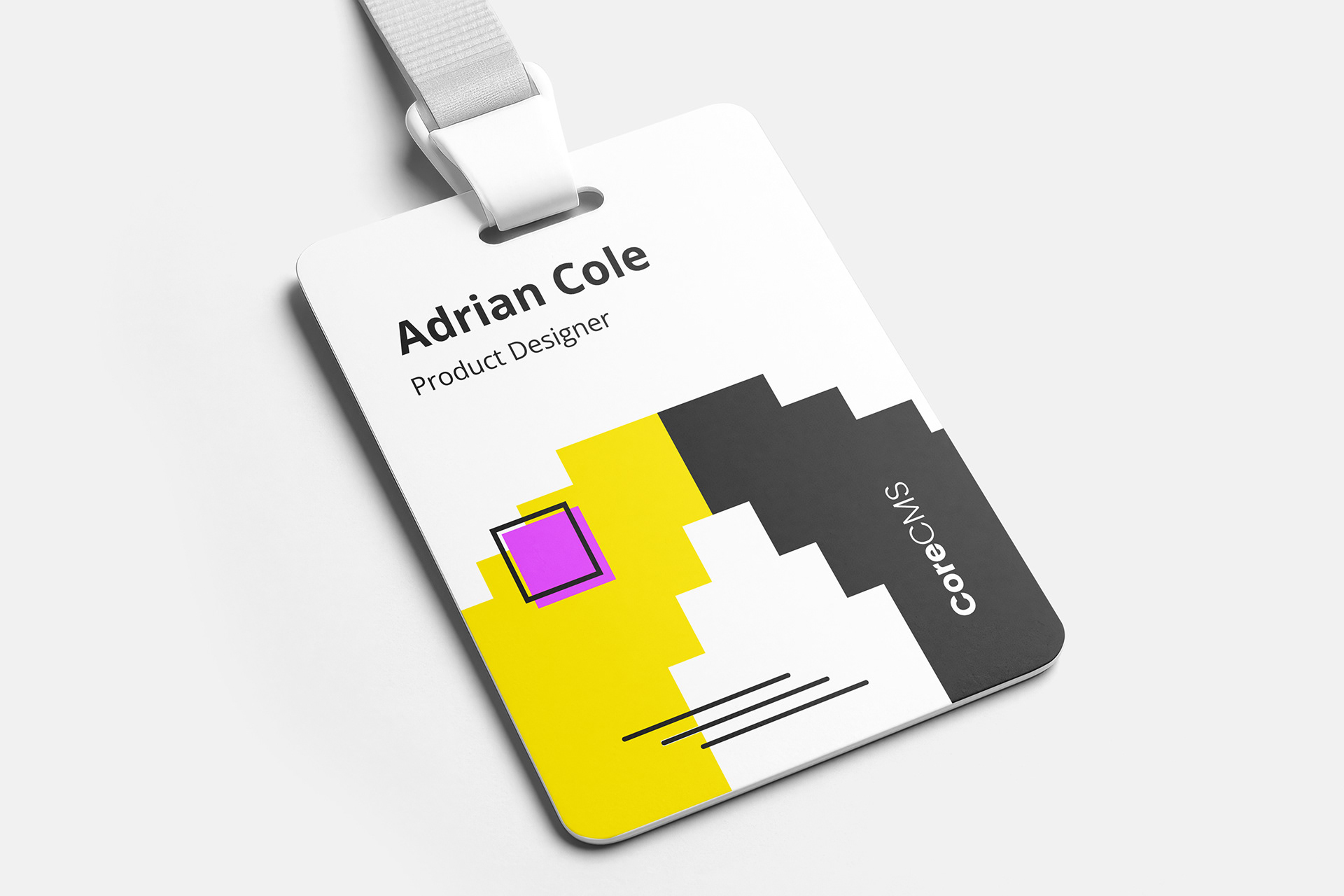
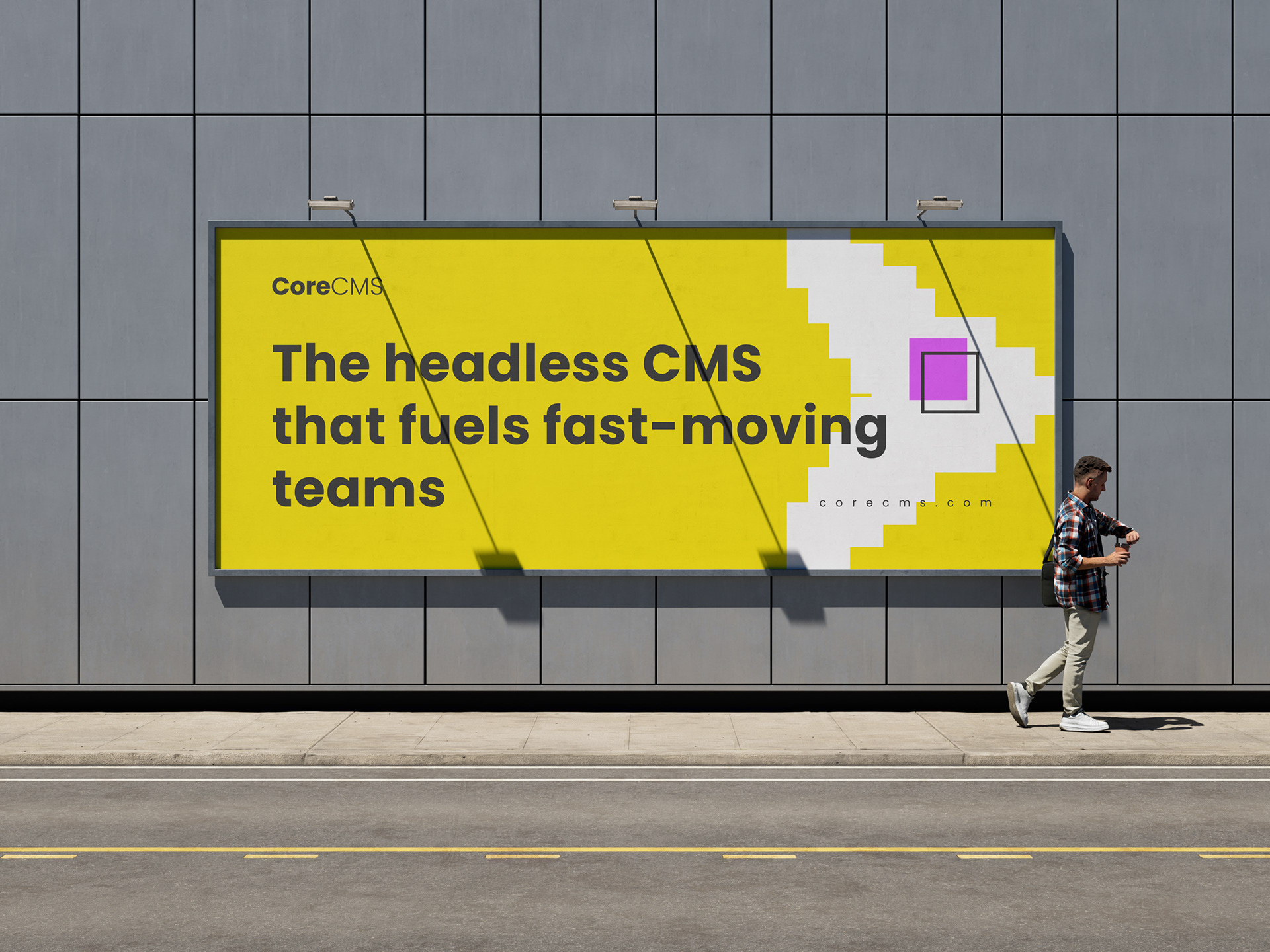
The identity system was designed to adapt seamlessly across large-scale environments, event materials, and branded applications.